
 Alexandria Wyckoff

There are ways to boost your deadlift performance without following traditional training methods that might put a strain on your body. By shifting from heavy-max routines to moderate loads with high volume, you can enjoy greater muscle growth without the extra pains. Learn more about effective deadlift programming below.
1. Rethink Traditional Approaches
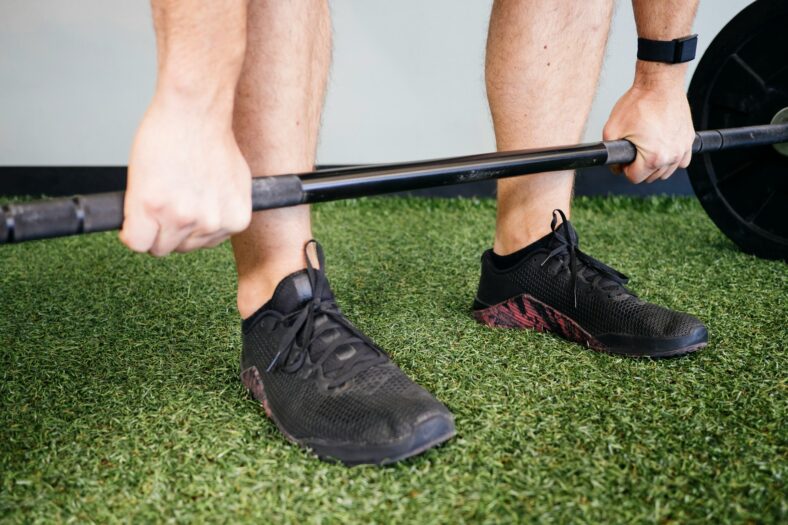
Traditional deadlift routines often follow pushing through heavy singles and low-volume sets. It also follows once-weekly sessions, targeting heavy weights at the expense of body recovery. Instead of gradual muscle growth, traditional deadlifts lead to erratic strength changes, familiar to many lifters.
2. Embrace Moderate Loads for Greater Gains

Instead, there might be a more effective deadlift routine. A seasoned strength coach who worked with over 500 lifters claimed that moving away from failure-driven workouts allows athletes to generate strength without the overwhelming fatigue. The coach was able to achieve a personal best of 661 pounds through this new, effective deadlift programming.
3. Prioritise Quality Over Quantity

The key to effective deadlifts is realizing it’s not just about lifting heavy weights every time. Submaximal, or moderate, load schedules can still result in significant physiological stress needed for muscle growth and adaptation. It’s also a great method to balance recovery while still employing effective training.
4. Implement a Balanced Training Structure

This coach recommends deadlifting twice a week with a certain approach detailed below:
- Primary Day: Target top sets at 80% intensity or higher, with volume sets at 60-75%, leaving reps in reserve.
- Secondary Day: Add variations like Romanian deadlifts or pause deadlifts at least 45 pounds lighter than the primary day for effective recovery.
5. Progress Sensibly for Long-Term Success

Increasing your weight methodically is essential for effective deadlifts. Try to get around 20 pounds on primary day and 10 pounds on secondary day, all while maintaining the same explosive movement. This gradual approach can help minimize stalls and enhance technical practice.
Final Thoughts

Transitioning to a lighter, more structured training program can lead to effective deadlift gains, especially in your body strength. By focusing on the necessary recovery periods, techniques, and a balanced schedule, lifters can overcome plateaus and achieve new PRs. So, start adding these strategies into your routine today and reap the benefits of a more effective deadlift program.