
 Alexandria Wyckoff

Any foot pain can impact your running routine, but big toe pain is especially hurtful. Unable to push yourself forward, this pain can disrupt your workouts and stunt future progress. However, there are ways to protect your feet from big toe pain and keep consistently running. While staying injury-free is not always an option, helping to mitigate that pain or prevent it from happening is the most important thing to do. Keep reading to learn how to prevent big toe pain.
1. Choose Shoes with a Roomy Toe Box
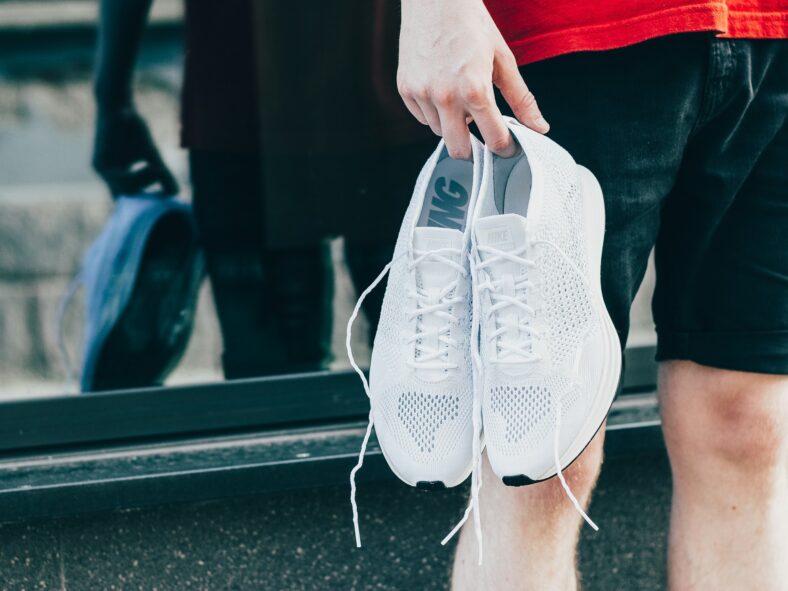
Narrow shoes don’t allow the toes to breathe and spread out naturally when walking, leading to irritation, blisters, ingrown nails, and sometimes even joint issues. When choosing running shoes, you need to account for natural foot swelling that happens during exercise, and make sure your toes can naturally spread out within the toe box. This will keep your toes, especially the big toe, comfortable and prevent injury. For those who have bunions or wide feet, this is especially important.
2. Retire Old and Worn-Out Shoes
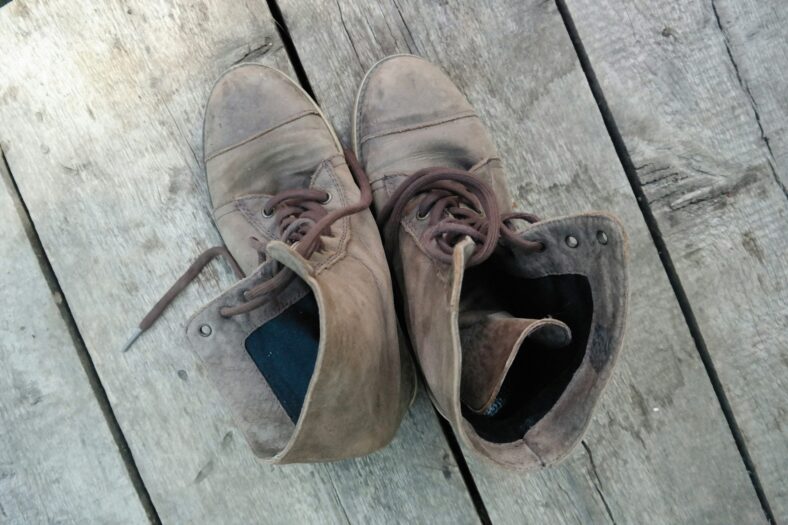
Ideally, you need to be changing shoes every six months, and sometimes even quicker, depending on how often you use the shoes. After a while, midsoles lose their support, cushioning, and structure. This puts the pressure on the forefoot and big toe joint instead, causing pain after workouts or even just walking in the shoes. General guidelines to follow for running shoes specifically are to change them every 400 to 500 miles.
3. Use Proper Lacing Techniques
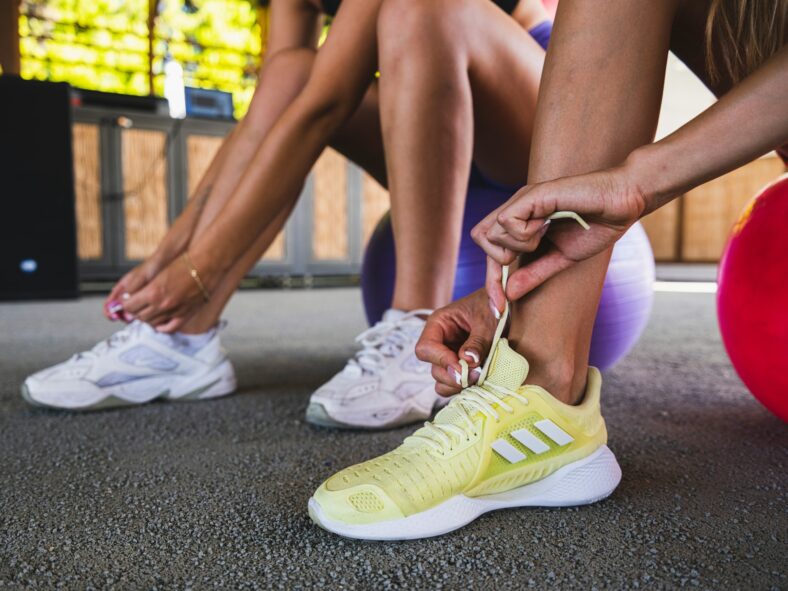
Did you know you can change the lacing of your shoes, and it could improve your performance? The lacing when you buy the shoe is not the only way you can lace them up, and proper techniques really make a difference when it comes to dedicated training. For example, the “heel lock” lacing keeps the foot in place rather than moving forward in the shoe and jamming the toes. Similarly, you can skip over the toe joint eyelets to avoid pressure points or big toe pain.
4. Follow the 10% Rule

When you start running, try not to go all in. This also applies to working with a healing injury. A good rule to follow is the 10% rule, where you limit increases in weekly mileage or intensity to 10% or less. This allows your injury time to heal properly and get back into the swing of things, like letting your foot’s tissues and muscles adapt to the new routine. This can help lessen the chances of getting problems like turf toe or tendonitis.
5. Strengthen Foot Muscles

You might not think about it or realize it, but there are quite a few muscles in the feet, and strengthening them is essential when running or completing other foot-heavy exercises. Just doing simple exercises such as towel scrunches, marble pickups, big toe lifts, or toe spreading can provide a huge difference. Strengthening the muscles provides a stable base to run on and keeps the force of impact spread evenly across the foot, decreasing big toe pain.
6. Maintain Ankle and Calf Flexibility

Similar to strengthening your foot muscles, keeping ankle and calf flexibility is also extremely important when trying to avoid big toe pain. When pushing off while running, keeping the ankle and calf flexible helps distribute the load off the big toe and onto a greater area. Running with stiff calves and ankles forces runners to use their big toes to push off, leading to possible joint pain.
7. Heed Early Warning Signs

Perhaps one of the most important ways to avoid big toe pain is through prevention and noticing the warning signs. While training, if you ever feel soreness, stiffness, or tightness in the big toe, it should be addressed as soon as possible. Using methods like soaking in ice water, ice packs, reducing the load, or getting new footwear can help alleviate those growing symptoms and keep your big toe nice and healthy.
Final Thoughts

Combining all these strategies and tips builds a great defense for avoiding big toe pain and enjoying your running without interruptions. Make sure to keep an eye on your footwear’s lifespan, slow training progressions, and foot strengthening and flexibility, or early symptoms, to keep a lid on any future pain. Start running without big toe pain today!