
 Alexandria Wyckoff

Busy days require a lot of energy, and it all starts with a good night’s sleep. If you want to have an energizing reset each night, then practicing better sleep hygiene is a great first step. Taking the time to add some sleep strategies into your daily life can significantly improve your nights, lending to a better physical and emotional well-being in a constantly shifting world.
Understanding Sleep Hygiene

Sleep hygiene is more than just a clean bed. It centers around creating an inviting bedroom environment and a daily routine that will foster successful and consistent sleep every night. You may think a comfortable mattress should be enough to get all eight hours, but there are many pieces and parts that go into falling asleep quickly and continuing to sleep throughout the night.
Benefits of Quality Sleep

There are plenty of benefits to getting a good night’s rest. Some are even well documented. Examples include:
- Improved Mood: Getting your proper amount of sleep helps regulate the various emotions you experience throughout the day and reduces irritability.
- Enhanced Daily Performance: You’ll wake up energized and ready to take on the day with good rest, and be productive too. Low daily performance often derives from tossing and turning the night before.
- Stronger Immune System: Since your body is getting the proper time to rest and recuperate, it helps your body stay strong and ready for infections or other illnesses.
- Blood Sugar Regulation: Getting eight hours can actually lower your risk of diabetes.
- Muscle Repair: Similar to the immune system, sleep allows the body to heal itself, especially after a long, physically taxing day.
Key Practices for Good Sleep Hygiene

To foster good sleep hygiene and integrate it into your life, there are some key practices to follow. A few examples are below:
- Exposure to Natural Light: Unlike harsh overhead lights or a black room 24/7, natural morning sunlight can help reset your circadian rhythm and get you on a more natural cycle.
- Regular Physical Exercise: Exercise, whether it’s during the morning hours or in the afternoon, helps expend energy and promotes fast sleep onset and a longer duration.
- Limit Daytime Naps: While naps may be nice, they can mess with your circadian cycle if you sleep for too long during the day. It’s recommended to keep naps to 20-30 minutes.
- Avoid Stimulants: Caffeine, nicotine, and alcohol are known to keep you awake and going throughout the day, so try and avoid ingesting any of these right before bed, or else you will have trouble falling asleep.
Creating a Sleep-Friendly Environment

After you’ve implemented some helpful sleep habits, creating a sleep-friendly environment is a crucial next step. Here are some ways to make your bedroom a little cozier for sleeping:
- Cool, Dark, and Quiet: The best way to turn your mind off is to remove other stimuli. By adding blackout curtains, earplugs, or white noise machines to your bedroom, you can foster a better night’s rest.
- Comfortable Bedding: Waking up with a sore neck from a flat pillow is not conducive to energy throughout the day. Take some time and invest in supportive mattresses and pillows that will support your body and allow it to reset.
- Create a Sleep Schedule: Going to bed at eight one night and twelve the next is not going to create a circadian rhythm. By setting a bedtime and wake time, you can get your body in the right rhythm for success. This also applies to weekends.
- Reduce Screen Exposure: Blue light is the enemy of sleep. While so many people are trapped on their phones, they often don’t realize how it impacts their sleep. Try to limit screen time an hour before bed to kickstart your melatonin production.
Establishing Healthy Associations

While it may seem silly at first, creating boundaries in your house for certain activities is crucial. Bedrooms, according to experts, should only be used for sleep and intimacy. Working and watching TV in bed can create the wrong mental association, so make sure the theme stays with bedrooms and restfulness. Other better sleep hygiene tips include:
- Minimize Noise: Less noise equals less distraction, which turns into a more peaceful atmosphere.
- Avoid Late-Night Eating: Eating so close to going to bed can cause bloating, gas, or cramps, disrupting your sleep cycle and leaving you tired in the morning.
- Focus on Positive Thoughts: Prayer or meditation can help focus and calm your mind before bedtime, releasing some of the stresses of the day.
- Quiet Activities: Reading, writing, or other peaceful activities can help you get drowsy and fall asleep, rather than getting frustrated trying to force yourself to sleep.
Additional Tips for Better Sleep
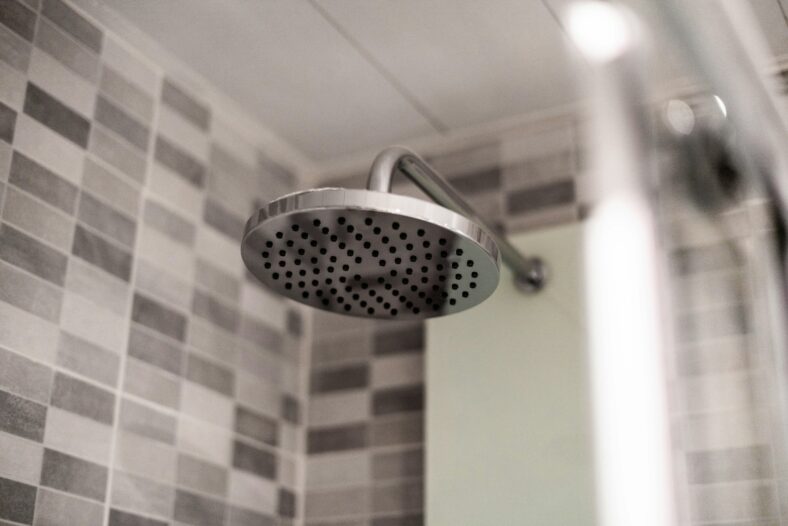
Need to calm those tense muscles? Recent studies suggest that a warm shower or bath can help with sleep quality. Not only does the shower release those shoulders, but it also helps with relaxation, clearing nasal passages, and allows for the drop in body temperature necessary for sleep. Ideally, you’ll want to shower an hour or two before going to bed.
Final Thoughts

By taking all the strategies and combining them, you can create a concrete plan centered around better sleep hygiene. Of course, individual needs will vary, so tweak these tips and strategies to best fit your schedule. However, choosing just a few of these can help you take struggling to fall asleep and turn it into something you look forward to after a long day. Good sleep is mandatory. Try adding these tips to your daily life today.