
 Alexandria Wyckoff

Building muscle usually requires eating lots of protein, but it doesn’t have to be animal protein. You can still have muscle growth and a delicious meal with a variety of plant-based proteins. By taking soy, legumes, seeds, and grains, which are rich in protein, and adding them to your diet, you can get all the amino acids you need to keep those muscles strong and healthy. Learn more about plant-based proteins below.
Why Plant-Based Proteins?

While animals usually provide most people’s protein intake daily, some choose or have to be on a vegan or a vegetarian diet. However, there are still ways to get proteins on a meat-free diet. The best place to start is with high-quality, diverse, and minimally processed plant foods. Research even shows the impact of eating plant-based proteins, as it can help improve muscle outcomes and make you feel full for longer.
Key Protein Sources

Try adding these plant-based proteins to your diet:
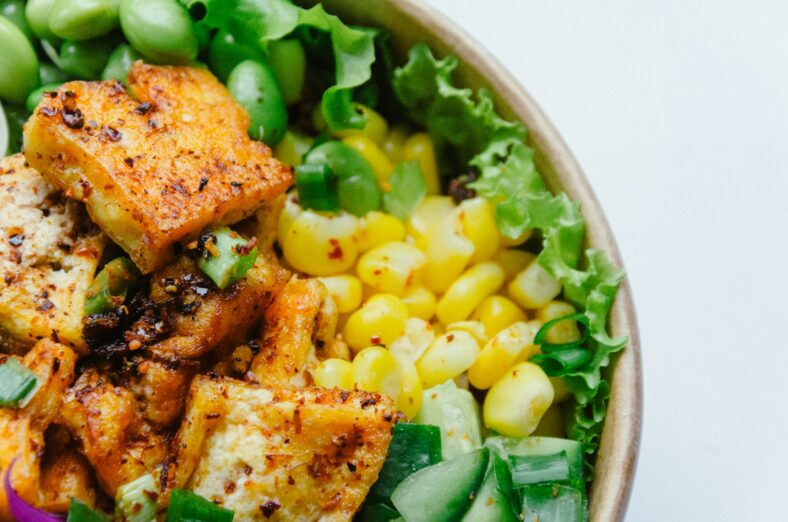
- Soy: Soy is versatile, turning into products like tofu, tempeh, and edamame. It provides 12 to 20 grams of protein per 100 grams, along with calcium, iron, and B vitamins, the perfect mix for building muscle.
- Legumes: Full of nutrients and relatively cheap at the store, legumes are a great option for those on a budget. This includes beans, lentils, and chickpeas, which provide 15-18 grams of protein per cooked cup. They also have high amounts of fiber, aiding with gut health and long-term wellness.
- Seitan: For those who want a fun alternative, try out seitan. The wheat-based protein has around 25 grams of protein per 100 grams. It has a similar texture to meat, but it is not the best option for those with gluten intolerance.
- Seeds: While small, seeds often pack a nutrient punch. Try hemp, chia, or pumpkin seeds, as they have around 5 to 24 grams of protein per serving. Plus, you can get some much-needed omega fatty acids and minerals with each one.
- Quinoa and Amaranth: Complete protein is super helpful for building strong muscles, and quinoa and amaranth can provide you with that. They are great bases for healthy meals, and can also be bought in sprouted versions to increase the nutrients.
- Dairy-Free Alternatives: Plant-based proteins aren’t the only non-meat options. Try fortified soy milk and yogurt, which are both great sources of protein, calcium, and vitamin B12. To get the most out of the product, aim for unsweetened versions.
- Stealth Proteins: There are several vegetables that can aid in your protein journey, too. These include green peas, broccoli, and spinach. They also contain lots of vitamins and minerals.
Meal Structuring for Success

Eating protein with just one meal is not going to give you the best muscle growth. Instead, try to add a protein-rich ingredient to every meal and snack, including all the tasty plant-based proteins above. Some meal examples include:
- Tofu scramble with sprouted toast
- Quinoa and edamame bowls
- Seitan stir-fry
- Snack combos like soy yogurt with pumpkin seeds
Research emphasizes the importance of spreading your proteins across every meal. Ideally, you want to aim for around 1.2 to 1.6 grams of protein per kilogram of body weight daily. This may be more for active individuals, so always make sure to customize your diet.
Final Thoughts
Building muscle doesn’t have to include eating meat. Through plant-based proteins, you can fuel your body and muscles in every meal. Adding options like soy, legumes, seitan, seeds, and grains will open the door to your fitness and wellness goals, all while staying on a protein-based diet. So, step beyond meat and add some of these yummy plant-based proteins to your meals. Who knows? You may love it better than animal protein.